
Staykind — Edition
Cervo Mountain Resort, Zermatt
Daniel F. Lauber on sixteen years of CERVO, the soul behind the design, and why a hotel should grow like a place rather than a project
Most hotels open finished. The CERVO opened with sixteen rooms and one restaurant, then spent sixteen years becoming itself and its founder is convinced that this, more than any design decision, is the reason the place feels the way it does.
Read time 6 minutes
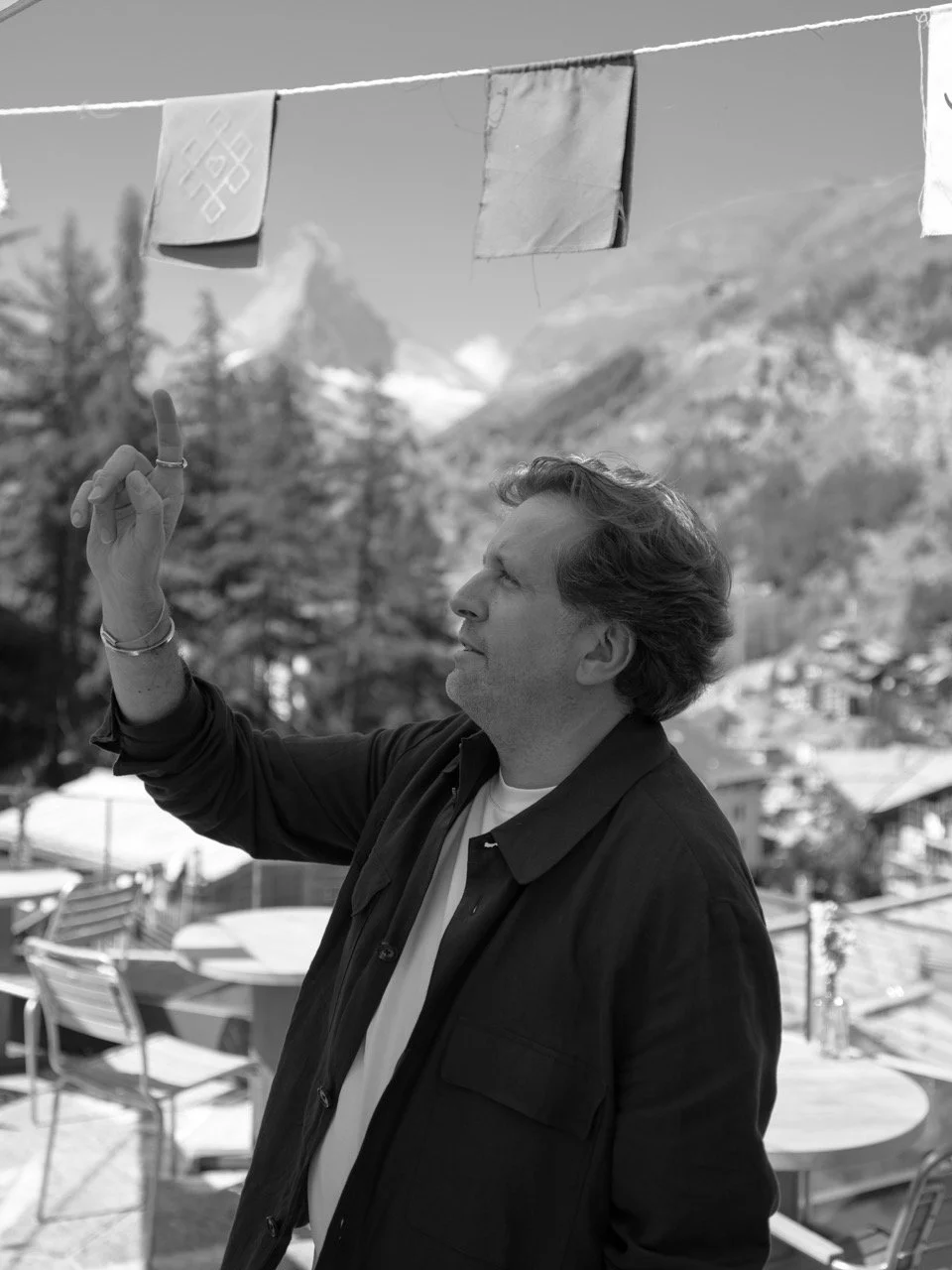
You step into the CERVO and you feel it immediately: this is a world of its own.
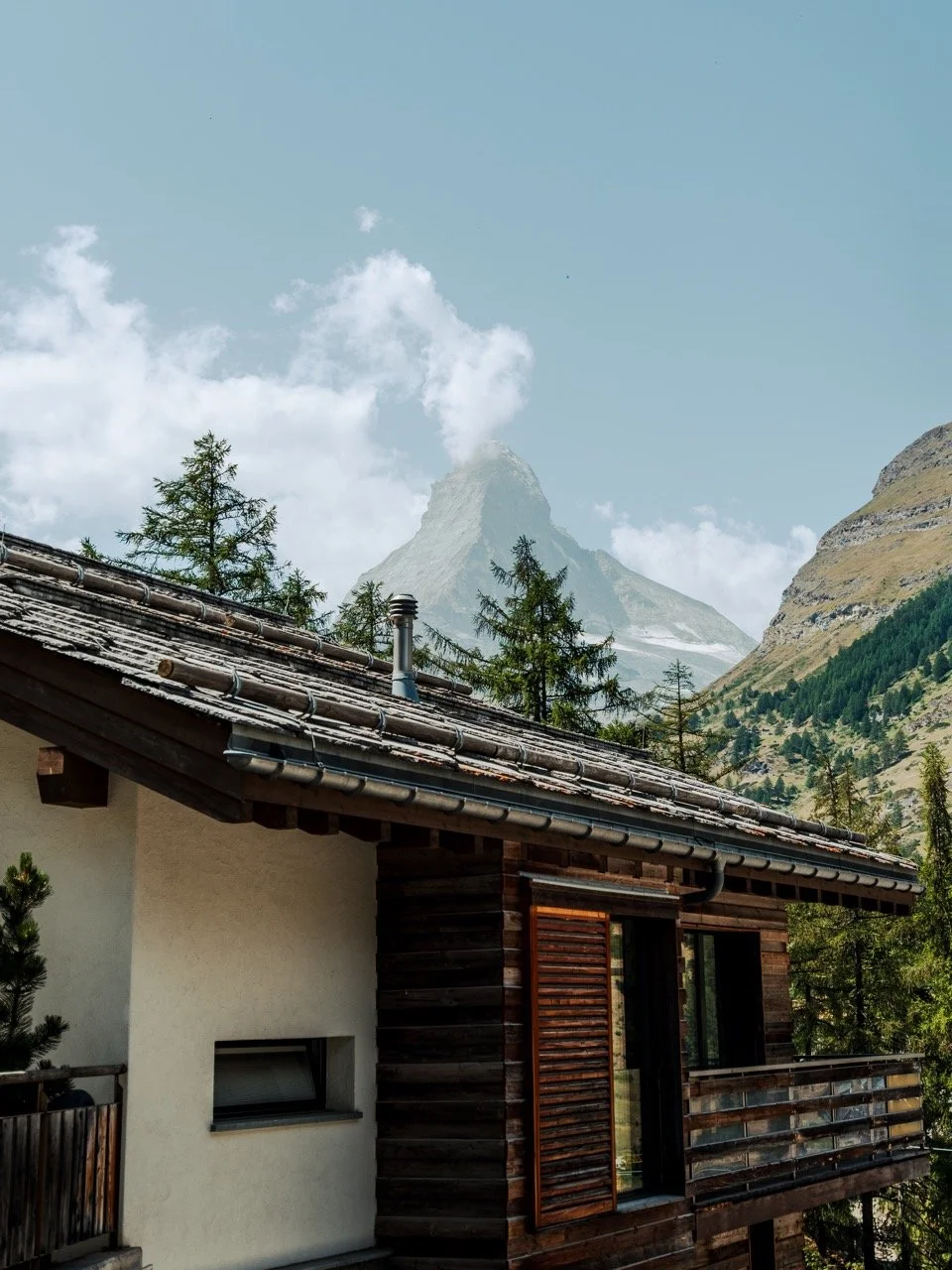
The main house is a chalet from the nineteen-forties, at the foot of the Matterhorn, converted sixteen years ago. Today it holds the reception and one of the restaurants. And it is where something began that resists the usual categories of hospitality.
"It isn't really a classic hotel," says Daniel Lauber. "It's more a way of living."
The line could sound like marketing. After two hours in the house, it sounds like the only description that fits.
Grown, not planned
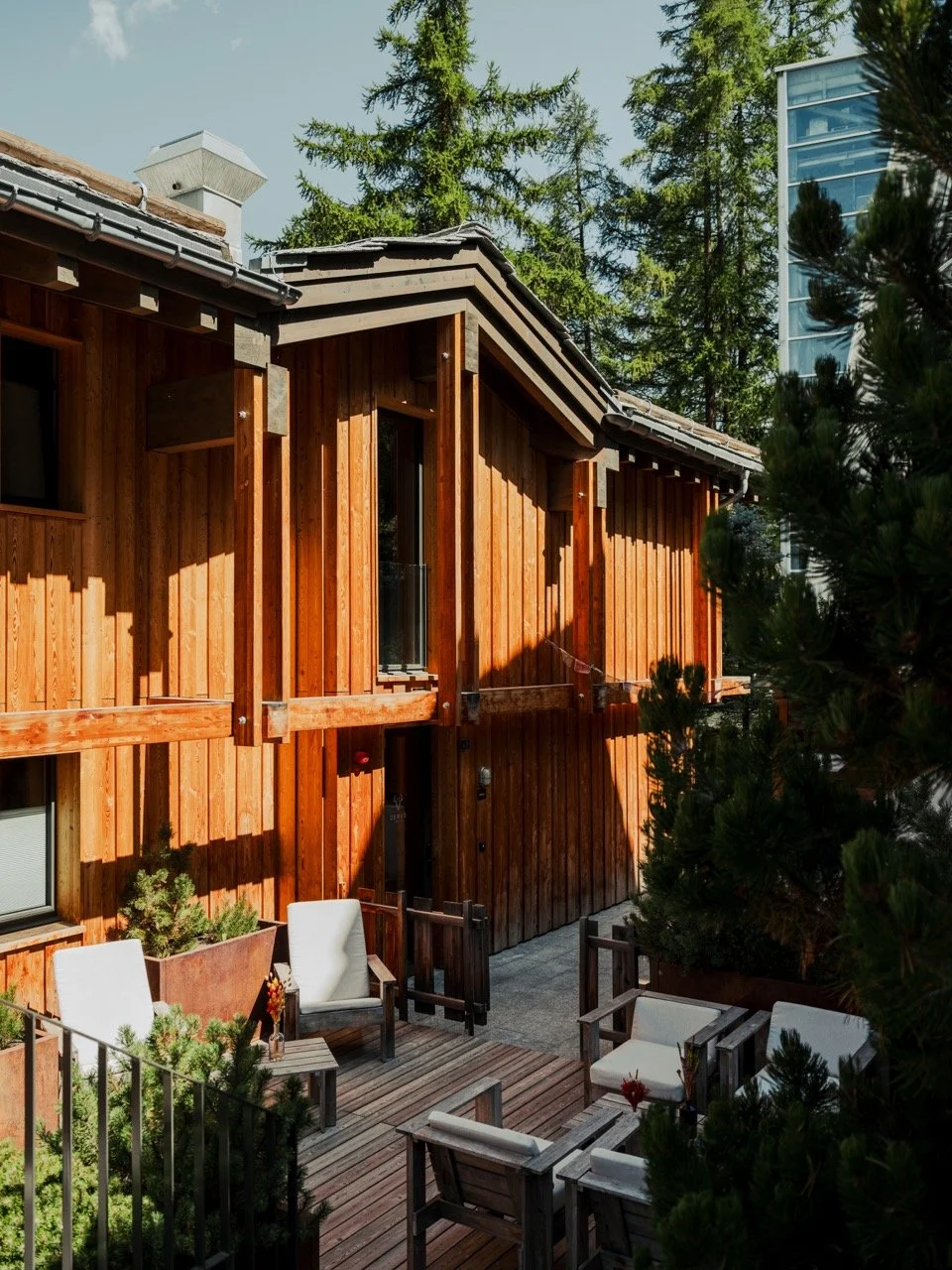
The CERVO isn't a hotel complex. It's a cluster of chalets. And it didn't start as the thing it is now.
"We started small, with one restaurant and sixteen rooms. Today it's sixty rooms, three restaurants and a spa."
Between those two sentences lie sixteen years of growth in stages. No master plan being worked through a house that arrived piece by piece. Lauber doesn't see that as a compromise. He sees it as the decisive advantage.
"The beautiful thing is that it grew organically. That's how these different worlds emerged they blend into each other and each one still has a character of its own."
By room count, the CERVO is a mid-sized property. By range, by atmosphere, by the way it's run, it is something else entirely.
Curated, not decorated
What you notice walking through the house: nothing feels accidental.
"A room has to be looked at as a whole," Lauber says. "From the design to the decoration, to the art on the walls, to the music and the light."
And then he draws a line that the industry rarely draws this clearly:
"I've been in a lot of houses that are beautifully designed and beautifully conceived and the soul is still missing."
Design, for him, is the beginning, not the result. On its own it isn't enough. It takes staff who celebrate the whole thing, a team culture thought through as holistically as the interior, and consistency that reaches into the supply chain.
Which leaves one simple question: is a hotel designed, or is it curated?
Lauber grew up in Zermatt. He calls it a beautiful place to live skiing, mountaineering, climbing, hiking, all of it outside the door. And then comes the caveat you rarely hear a local state so plainly: it is still "at the end of a valley."
So he travels, up to three months a year. Not only holidays sales for the hotel, and inspiration for what comes next.
"Now and then you need a bit of horizon."
Three or four times a year, for three to four weeks at a time, the CERVO invites artists, writers and photographers to stay. You can apply; selection runs on fixed criteria, partly to keep the mix genuinely varied. Residents get a room, food and drink. There are meet-and-greets with guests. And encounters happen that the team benefits from too.
Behind it sits a conviction about what the industry is actually for:
"The most beautiful thing about hospitality is that you bring people from different cultures together and create a place."
From the stag to the collector
The first ideas took shape in 2007 and 2008. The hotel opened in 2009. The ambition was clearly drawn: shake up classic alpine hospitality a little.
"Alpine was often fairly classic cosy, but also a bit opulent, a bit too much," Lauber says. "We wanted to take the edge off. Cleaner design. A balance between hunting lodge and contemporary hotel, with something cosmopolitan about it."
Cervo is Italian for stag. The DNA was exactly that: the stag, and something more contemporary built around it.
After roughly ten years, in 2019 and 2020, came the bigger move. Every existing room renovated, new chalets, the Mountain Spa, another restaurant. And with the rebuild came the line that still holds today: Beyond Exploring.
"Zermatt isn't only a great place to discover the mountains. It's also a great place to discover yourself."
Basecamp and retreat in the same house. That shifted the story too away from the hunter and the stag, towards a well-travelled collector with a lot of memories. The Bazaar is the clearest expression of it: a melting pot where guests can actually buy pieces of the decoration.
What he'd tell someone starting out
Finally, the question this series always ends on: what would he tell someone building a hotel today?
He describes a kind of youthful recklessness, paired with asking experts hard questions.
First: follow the passion and the intuition. Think too much in standards and you lose exactly that.
"Part of our success was maybe that we approached one thing or another as unorthodoxly as possible. Not by the textbook."
Then the advice he now passes on: ask more at the start, to sharpen certain processes and avoid the avoidable mistakes.
And what follows from that, in his own words:
"I do think people feel it when someone is genuinely doing something out of joy and passion. When you say: I want to create something I believe in. And then, as a second step, the success comes too."
Staykind is an interview series about the people who shape hospitality their decisions, their doubts, and what they'd do differently.