
Why Hotel Branding Should Begin Before Opening
There is a point in almost every hotel development when the property begins to feel real. The rooms take shape, materials arrive on site and an opening date appears on the calendar. It is often around this moment that the conversation about branding begins.
Read time 5 minutes
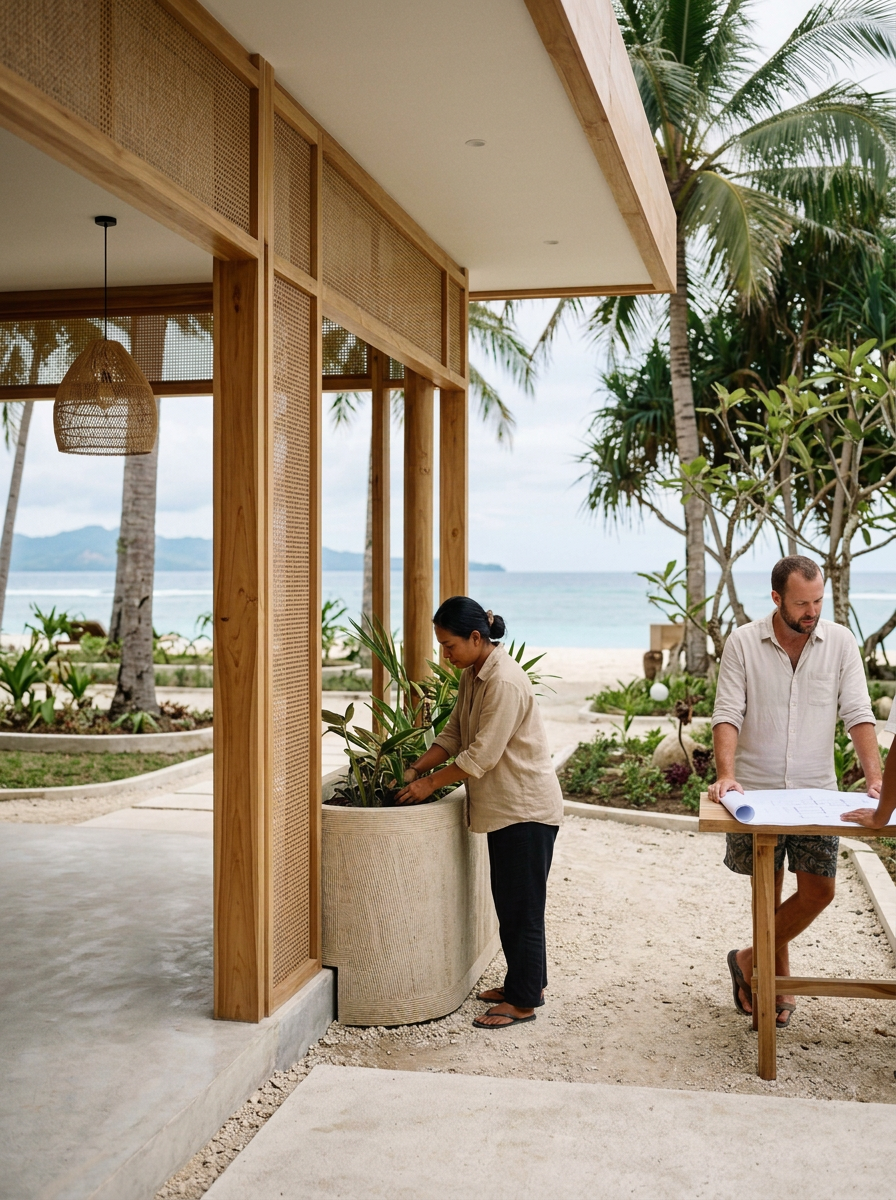
By then, however, many of the decisions that will define the hotel have already been made.
The layout influences how guests move through the property. The food and beverage concept creates expectations around atmosphere and audience. Even choices such as room names, amenities and signage begin to tell a story, whether that story has been consciously defined or not.
This is why hotel pre-opening branding should not be treated as the final layer added to a finished building. It should enter the project while there are still meaningful decisions to make.
A hotel brand is more than its identity
Branding is often mistaken for the moment a hotel receives its name, logo and visual identity. Those elements matter, but they are expressions of a deeper idea.
Before designing how a hotel looks, there should be clarity about what kind of place it wants to become. Who should feel drawn to it? What should guests remember after leaving? How does it belong to its location without repeating the same local references as every neighbouring property?
These questions influence far more than communication. They can inform collaborations, guest rituals, music, food, objects, service and the way the hotel relates to its surroundings.
When branding begins early, architecture, interiors, operations and communication can develop around a shared direction. When it begins shortly before launch, the brand is left trying to explain decisions it was never allowed to influence.
Opening day is only the introduction
A hotel opening can easily become the centre of the entire process. Teams work towards the date, images are released and the first press coverage appears. But the opening is not the completion of a hotel brand. It is the moment the public begins to experience it.
The strongest pre-opening strategies therefore consider what happens afterwards. Which stories can continue? Which rituals should become associated with the house? Which partnerships will deepen over time? What kind of community might form around the property?
A successful opening generates attention. A strong brand gives that attention somewhere to go.
The best time to define it is when the hotel is real enough to understand, but still open enough to shape.
Before the first campaign, before the first guest and, ideally, before the house has a name.
For many independent hotel projects, the first strategic work should begin around 12 to 18 months before opening. This is not a rigid rule. Every development has a different timeline, and delays are part of almost every opening.
The important point is that the hotel’s positioning should be clear before its public expression is created.
At the beginning, the focus should be on the central idea, the audience, the competitive environment and the relationship between the property and its destination. This is also the right time to develop the name and narrative, while the project is still flexible enough for those decisions to have an effect.
As the opening moves closer, the identity becomes more tangible. Typography, art direction, signage, menus, guest materials and digital design begin to translate the idea into a recognisable world. Not every object needs a logo, and not every moment needs to be branded. The objective is coherence, not decoration.
During the final months, attention moves towards photography, the website, press materials and the launch itself. These elements are often produced under enormous time pressure, even though they create the first impression most guests will have of the hotel.
A website cannot provide clarity that the positioning never established. Photography cannot manufacture an atmosphere that the property has not considered. A launch may create attention, but it cannot define what the hotel should become known for.
When should hotel branding begin?
The most common mistake is not starting too late
Starting late is a problem, but the larger mistake is beginning with the wrong question.
If the first question is “What should the logo look like?”, the answer will always be limited. A stronger starting point is: “Why should this hotel matter?”
Many new properties are beautifully designed. They use good materials, work with respected architects and offer a high level of comfort. Yet they enter the market using the same language and visual references as dozens of other hotels.
They promise authenticity, connection and a sense of place, but never define what those ideas mean specifically to them.
Distinctiveness does not come from being louder. It comes from being more precise.
Maison Voyage works with owners, developers and independent hospitality groups to shape hotel brands from early positioning and identity through photography, digital presence and launch.